What to Look for in a Beacon top Paving Contractor for Professional Paving Services
What to Look for in a Beacon top Paving Contractor for Professional Paving Services
Blog Article
Paving Solutions: Upgrade Your Property With Trusted Paving Services
Professional paving services offer notable advantages for property enhancement. They not only boost aesthetics but also enhance functionality. Choosing the right materials, such as asphalt or interlocking pavers, can guarantee durability and design. The installation process is important for achieving lasting results. Yet, many homeowners overlook essential maintenance practices that can extend the life of their investment. Understanding these elements is vital for informed decision-making about outdoor spaces. What comes next may astonish you.
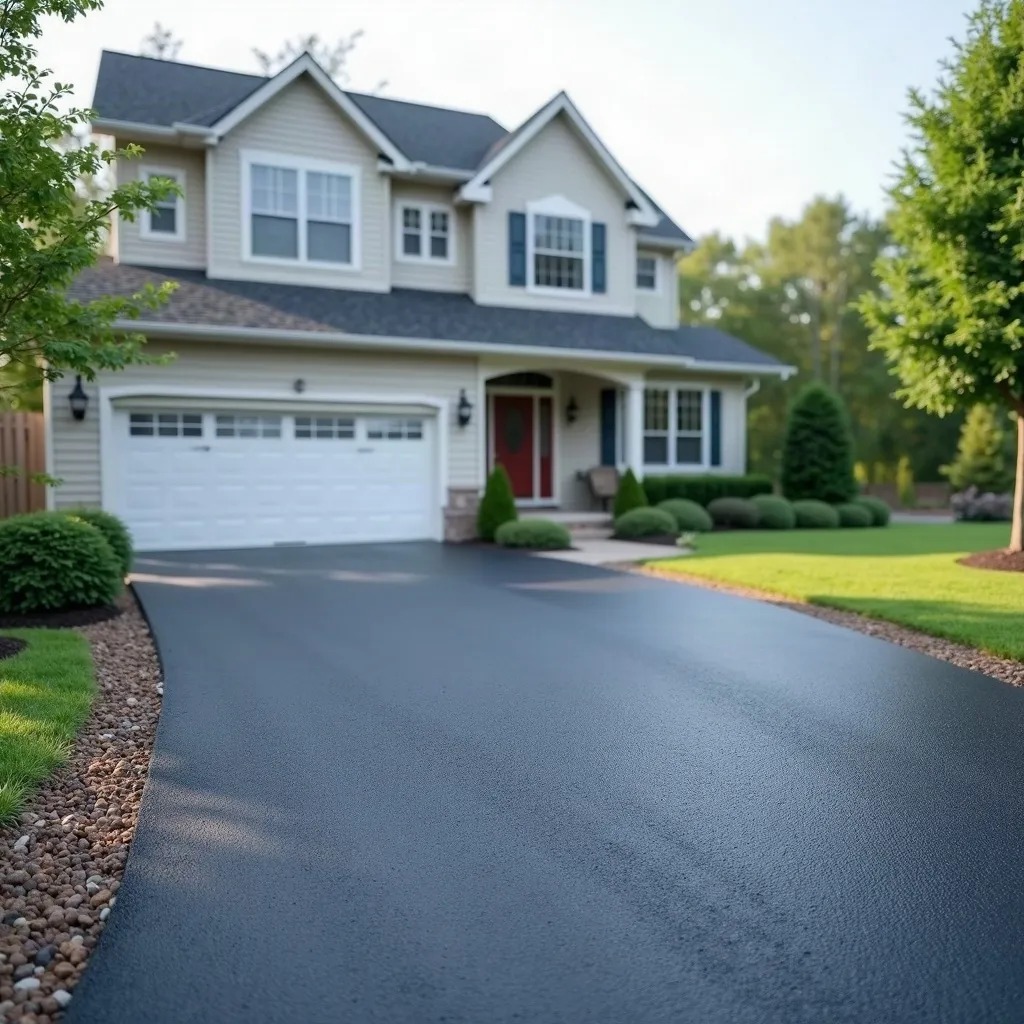
Expert Paving Solutions Improve Your Property
Professional paving solutions elevate outdoor spaces, boosting both utility and appearance. By implementing professional techniques and state-of-the-art equipment, these offerings ensure the comprehensive groundwork and placement of different paving types. This careful focus results in robust, enduring outcomes that resist wear and tear while keeping visual appeal.
In addition, expert paving strengthens home valuation, developing welcoming pathways, access routes, and patios that appeal to potential clients. A properly finished surface improves safety by limiting risks like uneven terrain and extra dirt, enhancing a more gratifying outdoor experience.
In addition, seasoned professionals can furnish specialized designs calibrated for individual specifications, establishing that each project coheres with the property's distinctive nature.
Pick the Optimal Surface Materials for Your Project
In what ways can property owners find the most suitable paving materials for their projects? Selecting the correct material matters for functionality and visual appeal.
First, property owners should think about the specific use of the pavement. For driveways, durable materials like asphalt or concrete are often favored due to their durability and long-term performance. In contrast, for patios or walkways, choices like pavers or bricks can provide aesthetic value and flexibility.
Next, climate serves as a significant role. Zones with intense precipitation may profit from breathable surfaces that allow for better drainage, minimizing the risk of inundation.
Also, upkeep demands should be appraised; some materials require more care than others.
Finally, financial constraints will determine the selection. While high-grade materials may involve a larger initial expense, they commonly achieve long-term financial benefits through toughness and lower repair expenses.
Therefore, meticulous review of these variables will empower property owners to make knowledgeable selections.
Asphalt Paving Strengths
Asphalt surfacing represents a leading choice for homeowners looking for long-lasting and affordable alternatives for their driveways and walkways. One of its main advantages is its resilience; asphalt can endure heavy traffic and severe weather conditions, making it ideal for residential use.
Moreover, asphalt is fairly inexpensive when set against other paving materials, giving homeowners to get a top-tier appearance without straining their budget. The installation process is also quick, generally done within a day, decreasing disruption to daily life.
Furthermore, asphalt is easy to maintain, requiring only periodic sealing to extend its durability. These advantages make asphalt paving a sensible and wise investment for enhancing property aesthetics and functionality.
Interlocking Paver Perks
For those exploring paving alternatives, interlocking pavers display clear advantages that enhance both appearance and usefulness.
These flexible pavers come in multiple shapes, colors, and textures, facilitating artistic design choices that can suit any property style. Additionally, interlocking pavers offer excellent durability, avoiding cracking and shifting, which is particularly beneficial in regions with unstable temperatures.
Furthermore, their unique aesthetic facilitates efficient moisture removal, lowering the danger of flooding and erosion. This permeability also aids environmental stewardship by facilitating rainwater to replenish groundwater supplies.
Finally, the ease of installation and maintenance makes interlocking pavers a sensible option, ensuring that homeowners can enjoy their beautiful surface without excessive upkeep.
Starting Site Survey
Which elements influence the preliminary site assessment for paving installation? Several key elements matter during this essential stage. First, the land’s topography is examined to spot any slopes or drainage issues that might impact the paving process. Next, the current soil conditions are assessed, since different soil types can affect stability and durability. Additionally, site accessibility is taken into account to plan how equipment and materials will be moved. Local regulations and zoning laws are reviewed to guarantee compliance. Lastly, existing structures and vegetation are assessed to prepare for any necessary removal or protection. This thorough evaluation lays the groundwork for a successful paving project, ensuring that all possible challenges are addressed from the beginning.
Setup Processes Illustrated
With a thorough site evaluation completed, the paving placement procedure can start.
The starting phase requires area preparation, where any present materials are taken away and the ground is evened. Subsequent to this, a base layer is set up, typically composed of gravel or crushed stone, which furnishes stability and drainage.
Subsequently, the picked surfacing choice—such as asphalt or concrete—is installed. This phase requires careful application to guarantee a level surface and accurate placement.
Once the pavement is in place, it undergoes compaction to enhance durability. Finally, curing takes place, allowing the material to set properly.
Throughout the undertaking, clear communication with the property owner is required to address any concerns and guarantee satisfaction with the final outcome.
Paving Care Advice for Durability
Although asphalt areas are engineered for durability, consistent upkeep is essential to ensure their longevity. Regular checks should be conducted to identify cracks, potholes, or signs of expert tips wear. Prompt repairs can prevent additional deterioration and extend the lifespan of the pavement.
In addition, keeping the surface clean is essential; debris, leaves, and soil can trap moisture, leading to deterioration. Regular brushing and occasional power washing help maintain a spotless appearance and effectiveness.
Applying sealant every few years can defend the surface from weathering and UV damage, while also enhancing its cosmetic allure.
To summarize, managing drainage issues is vital. Proper drainage systems prevent water gathering, which can compromise the paving material over time.
How to Discover a Reliable Paving Contractor
Identifying a dependable paving contractor is a important step for property owners desiring to construct or modernize their paving surfaces. To start, individuals should solicit recommendations from peers, kinfolk, or regional businesses that have previously undertaken paving projects. Online feedback and testimonials can also convey insights into a contractor's reputation.
Once potential service providers are located, it is crucial to verify their credentials, including licenses and insurance. A professional builder should provide a comprehensive written estimate that describes the scope of work, materials, and timeline.
Moreover, obtaining references from clients can aid in evaluating the contractor's dependability and quality of work. It's equally important to question warranties on workmanship and materials.
Ultimately, ensuring open communication and transparency during initial consultations can build a confident partnership, leading to a successful paving project that fulfills expectations.
Often Requested Questions
What Duration Should You Expect for a Typical Paving Project to Complete?
A typical paving project generally takes one to three days to finish, depending on factors such as the project's size, intricacy, climate, and preparation requirements. Effective planning can help expedite the process efficiently.
Which Clearances Are Required for Paving Construction?
As a rule, paving installation calls for permits like local construction permits, zoning approvals, and environmental studies. Standards change by location, so consulting local authorities confirms compliance with required legal conditions for the project.
Is it Possible Perform Road Construction in Winter or Rainy Seasons?
Paving can be difficult during winter or rainy seasons due to temperature and moisture concerns. Cold weather can impede proper curing, while excessive rain may cause pavement problems, leading to potential sustained deterioration. Careful planning is essential.
What Should I Do if My Asphalt Cracks?
If pavement shows cracks, the first step is to assess the harm. Next in line, clean the area completely, seal the fissures with suitable sealant, and consider professional repair to avoid further deterioration and preserve safety.
What steps should I take to verify that my paving contractor is licensed?
To determine if a paving contractor is properly credentialed, one should verify their credentials through local licensing boards, request a copy of their license, and check for insurance coverage, making sure they follow industry regulations and safety standards.
Report this page